

Amano Algae-Eating Shrimp – Caridina multidentata – 2 to 3 cm images
Amano Algae-Eating Shrimp – Caridina multidentata – 2 to 3 cm
Price:
€4.95
VAT included
Caridina multidentata, better known as the Amano Shrimp, is one of the most popular aquarium shrimp for its ability to graze on algae and biofilm. Larger than small Neocaridina shrimp, hardy and highly active, it is an excellent addition to planted aquariums. The specimens offered are approximately 2 to 3 cm in size.
Caridina multidentata: the Famous Amano Shrimp
Caridina multidentata, commonly known as the Amano Shrimp, has become one of the most popular shrimp for planted aquariums.
Its popularity is largely due to its highly active behaviour. It spends much of the day exploring plants, roots, stones and other aquarium surfaces in search of food.
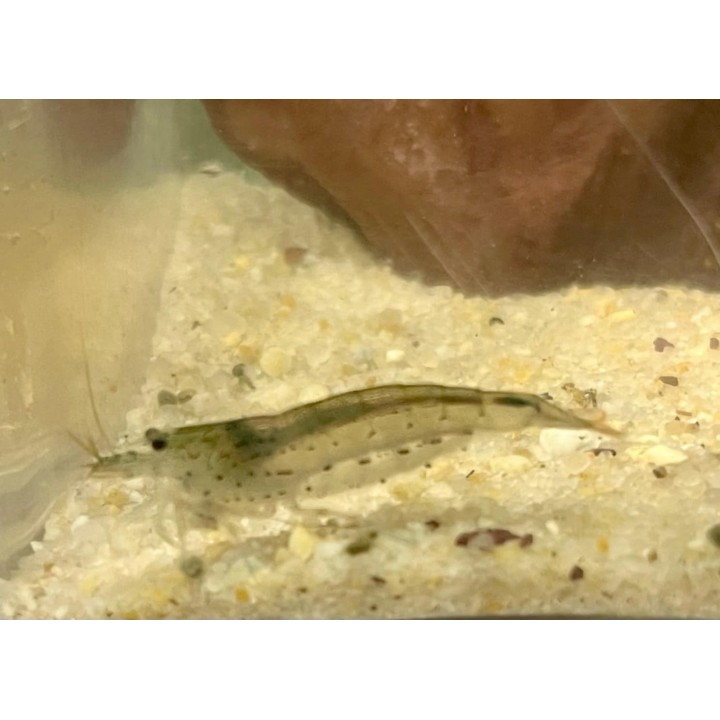
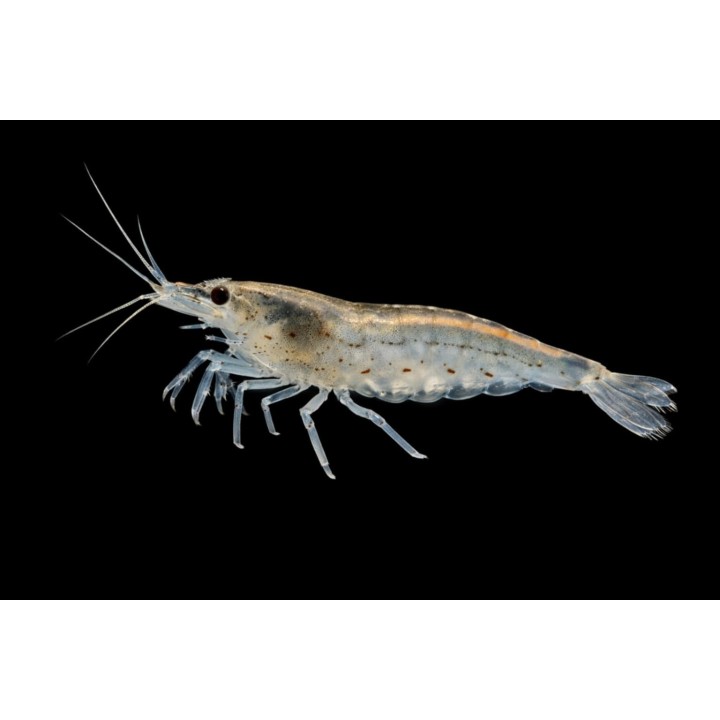
Its translucent body is covered with small brownish to reddish dots and dashes, giving it a discreet and natural appearance.
The species was previously widely sold under the scientific name Caridina japonica, which is still commonly encountered in the aquarium hobby. Its currently accepted scientific name is Caridina multidentata.
Characteristics of the Amano Shrimp 2–3 cm
Scientific name: Caridina multidentata
Former scientific name: Caridina japonica
Common names: Amano Shrimp / Japonica Shrimp
Size offered: approximately 2 to 3 cm
Adult size: approximately 4 to 5 cm, with females sometimes growing larger
Colouration: translucent with brownish to reddish markings
Temperature: 18 to 28°C
pH: approximately 6.5 to 8
Diet: omnivorous, detritivorous and algae-grazing
Behaviour: peaceful and highly active
Difficulty: easy
Breeding: specialised reproduction with larval development requiring a brackish to saltwater stage
An Excellent Algae-Eating Shrimp
The Amano Shrimp is particularly appreciated for its algae-grazing activity.
It spends a great deal of time grazing on different aquarium surfaces and can consume several types of soft algae, biofilm and small amounts of organic matter.
Its larger size compared with many dwarf shrimp also makes it a particularly active presence in the aquarium.
For this reason, Caridina multidentata is frequently chosen as an algae-eating shrimp for planted aquariums.
However, it is not a miracle solution for every type of algae. A significant algae outbreak should always lead to investigation of the underlying cause, including lighting, nutrients, maintenance, biological balance and aquarium parameters.
What Aquarium Is Suitable for Amano Shrimp?
Caridina multidentata particularly appreciates mature planted aquariums.
Plants, mosses, roots and stones provide numerous surfaces to explore and encourage the development of biofilm.
As Amano Shrimp are highly active, an aquarium providing plenty of space and natural surfaces is particularly suitable.
They also appreciate hiding places, especially during moulting.
The aquarium must be properly cycled before the shrimp are introduced, and water parameters should remain as stable as possible.
What Does Caridina multidentata Eat?
The Amano Shrimp is omnivorous.
In a mature aquarium, it naturally obtains part of its diet by exploring aquarium surfaces in search of algae, biofilm and various organic particles.
These natural food sources should be supplemented when the resources available in the aquarium are insufficient.
Specialist shrimp foods, plant-based tablets and other foods formulated for freshwater invertebrates can provide a balanced diet.
In a very clean aquarium or when keeping a large group of Amano Shrimp, it is particularly important not to consider algae as their only source of food.
Amano Shrimp and Hair Algae
Caridina multidentata is particularly well known among aquarists for its interest in certain types of hair algae.
The shrimp can grasp soft strands with their front legs and gradually consume them when the algae are suitable.
The result nevertheless depends on the type of algae, the extent of its growth and, importantly, the other food sources available.
A well-fed shrimp may naturally prefer easily accessible food to tougher algae.
To benefit fully from its natural behaviour, the priority should therefore be to maintain a balanced aquarium rather than relying exclusively on Amano Shrimp to solve an algae problem.
A Shrimp Larger Than Neocaridina
With an adult size reaching several centimetres, the Amano Shrimp is noticeably larger than Red Cherry, Blue Velvet and other typical Neocaridina shrimp.
This larger size can be an advantage in some community aquariums.
Its adult size makes it less vulnerable to certain small, peaceful fish, although keeping shrimp with fish can never be considered completely risk-free.
The shrimp offered here measure approximately 2 to 3 cm and can therefore continue to grow after being introduced into the aquarium.
Keeping Amano Shrimp with Fish
Caridina multidentata is a peaceful shrimp and normally poses no danger to healthy fish.
It can be kept with many small, peaceful community fish species.
Predatory or aggressive fish, as well as species large enough to capture the shrimp, should be avoided.
The period immediately following a moult is particularly sensitive, as the shrimp's new exoskeleton remains temporarily soft.
Plants, roots, stones and other hiding places allow Amano Shrimp to find shelter when necessary.
Can Several Amano Shrimp Be Kept Together?
Amano Shrimp benefit from the presence of other Amano Shrimp and are generally best kept as a group rather than individually.
A group also provides more activity across the different surfaces of the aquarium.
Highly active when searching for food, Amano Shrimp may sometimes gather quickly around food and carry a piece away to eat elsewhere.
This energetic feeding behaviour is one of the characteristics that makes them particularly interesting in a community aquarium.
Breeding Caridina multidentata
Breeding Amano Shrimp is very different from breeding Neocaridina.
Females can carry eggs successfully in a freshwater aquarium. After hatching, however, the young are not immediately independent miniature shrimp like Neocaridina juveniles.
Caridina multidentata has a specialised larval development. In the wild, the larvae are carried towards brackish or marine environments where they continue their development before the young shrimp return to freshwater.
Completing the entire breeding cycle in captivity is therefore possible for experienced aquarists, but requires a specific protocol and is considerably more complex than breeding Neocaridina.
This also explains why a population of Amano Shrimp will not simply multiply in a standard freshwater community aquarium.
Differences Between Male and Female Amano Shrimp
Female Caridina multidentata generally grow larger and more robust than males.
The markings along the sides of adult shrimp can also help distinguish the sexes. Females generally display more elongated markings resembling small dashes, while males tend to have markings that look more like dots.
When a female is carrying eggs, the distinction naturally becomes much easier.
Amano, Japonica or Caridina multidentata?
These different names generally refer to the same shrimp.
The currently accepted scientific name is Caridina multidentata.
Caridina japonica is a former scientific name that is still widely used in the aquarium trade and hobby.
Finally, the name Amano Shrimp has become extremely popular among aquarists and is now one of the species' most widely used common names.
Buy Amano Shrimp 2–3 cm Online
Caridina multidentata is an excellent choice for aquarists looking for a relatively large, active shrimp that is particularly interesting in a planted aquarium.
Its feeding behaviour, constant activity and interest in biofilm and various algae explain why it remains one of the most popular freshwater aquarium shrimp.
NeoTropic offers Caridina multidentata Amano Shrimp measuring approximately 2 to 3 cm for sale online.
Careful acclimatisation is recommended before introducing them to their new aquarium to minimise sudden differences between the transport water and the aquarium water.
Never release aquarium shrimp into the natural environment.
-
In stock240 Items
4 other products in the same category
Clients also bought
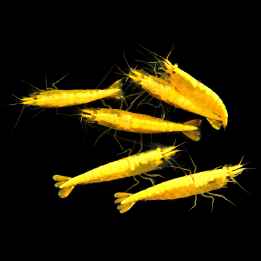
Yellow Fire Shrimp Grade A – Neocaridina davidi – 1.5 to 2 cm
€4.99
Rated out of 5 stars based on
review(s)
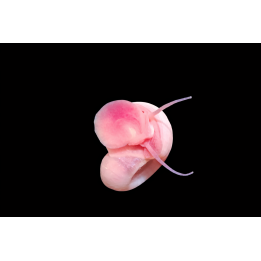
Red Ramshorn Snail – Freshwater Aquarium Snail – 1 to 2 cm
€2.50
Rated out of 5 stars based on
review(s)
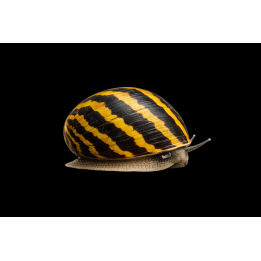
Nerite Snail – Neritina sp. – Algae-Eating Snail – 2 to 3 cm
€3.25
Rated out of 5 stars based on
review(s)
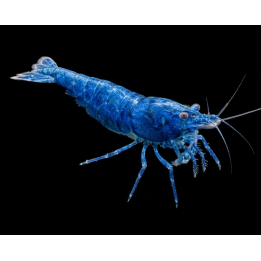
Crevette Sakura Rouge – Neocaridina davidi Red Sakura – 1,5 à 2 cm
€4.95
Rated out of 5 stars based on
review(s)
Comments (0)
Your review appreciation cannot be sent
Report comment
Report sent
Your report cannot be sent