

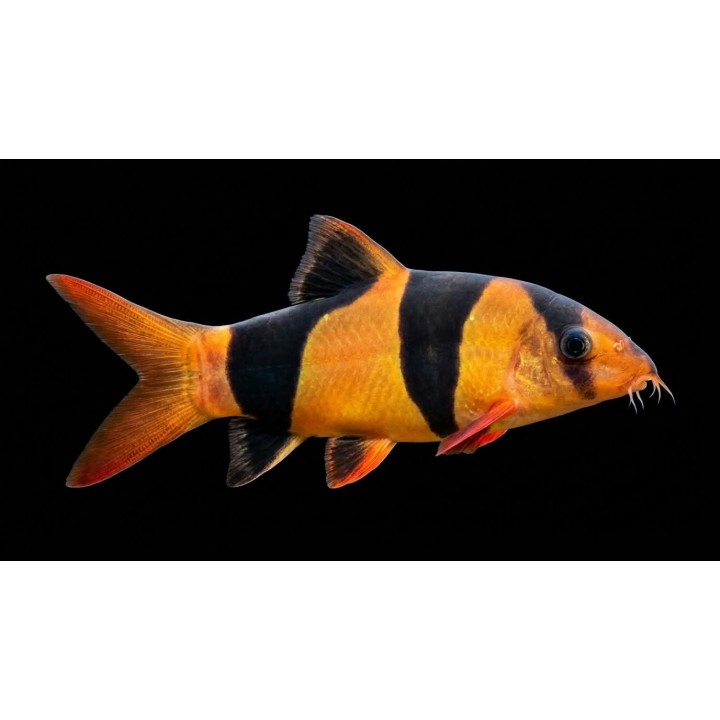
Clown Loach – Botia macracantha – Chromobotia macracanthus 3,5-5cm images
Clown Loach – Botia macracantha – Chromobotia macracanthus 3,5-5cm
Price:
€13.99
VAT included
The Clown Loach, widely known by its former scientific name Botia macracantha and now classified as Chromobotia macracanthus, is a tropical freshwater fish native to Southeast Asia. It is highly appreciated in the aquarium hobby for its striking orange body crossed by three broad black bands.
Active, curious and highly social with its own kind, the Clown Loach is a fascinating fish to observe. However, its long-term requirements should be carefully considered: despite its relatively small size when sold, it grows into a large fish and must be kept in a group in a sufficiently spacious aquarium.
Clown Loach characteristics
Scientific name: Chromobotia macracanthus
Former scientific name: Botia macracantha
Common name: Clown Loach
Family: Botiidae
Origin: Indonesia, particularly Sumatra and Borneo
Adult size: generally 20–30 cm in aquariums
Behaviour: social, active and gregarious
Swimming level: mainly bottom and lower areas of the aquarium
Lifespan: over 15 years in good conditions
Diet: omnivorous with a preference for animal-based foods
Water parameters for Clown Loaches
The Clown Loach prefers warm, clean and well-oxygenated water. Efficient filtration and regular water changes are particularly important for keeping this species in good condition.
Temperature: 25–30°C
pH: approximately 6.0–7.5
Water hardness: soft to moderately hard water
As with all aquarium fish, sudden changes in temperature or water parameters should be avoided.
What size aquarium does a Clown Loach need?
Clown Loaches are sometimes sold as small bottom-dwelling fish suitable for standard community aquariums. However, it is important to remember that they can grow to an impressive adult size.
A large aquarium is therefore essential for the long-term maintenance of an adult group. A tank with plenty of swimming length is particularly important, as Clown Loaches are active fish that enjoy exploring their environment.
The aquarium can be decorated with roots, rocks and plenty of hiding places. Clown Loaches particularly appreciate shaded areas where several individuals can shelter together.
A relatively fine, non-abrasive substrate is recommended to help protect their sensitive barbels while they search the bottom for food.
Clown Loaches should be kept in groups
The Clown Loach is a highly social species and should not be kept alone.
We recommend keeping at least 5 to 6 individuals, and more if the size of the aquarium allows it.
Living in a group enables these fish to display their natural social behaviour. A hierarchy may develop between individuals, and their interactions are particularly interesting to observe.
Clown Loaches can also produce clicking sounds, especially during feeding or social interactions. This is normal behaviour.
Feeding the Clown Loach
The Clown Loach is omnivorous with a strong preference for protein-rich foods.
Its diet can include:
-
sinking pellets and tablets for bottom-dwelling fish;
-
frozen foods;
-
suitable worms and larvae;
-
small crustaceans;
-
vegetable-based foods as a supplement.
A varied diet helps keep the fish healthy and promotes steady growth.
Do Clown Loaches eat snails?
Yes. Clown Loaches are well known for eating many small aquarium snails.
However, this species should never be purchased solely to control a snail population. Its large adult size, long lifespan and need to live in a group mean that a suitably large aquarium must be provided throughout its life.
Clown Loaches should also not be kept with ornamental snails that you wish to keep.
Behaviour and compatibility with other fish
Despite its size, the Clown Loach is generally considered a relatively peaceful community fish.
It can live alongside many tropical freshwater species that are sufficiently robust and require similar water conditions.
Very small or extremely calm fish may not be the best companions for large adult Clown Loaches. Species requiring significantly different water conditions should also be avoided.
Available space is particularly important, as a group of adult Clown Loaches can be very active.
Breeding Clown Loaches
Breeding Chromobotia macracanthus is extremely rare in home aquariums.
In the wild, its reproductive cycle is associated with seasonal changes and fish migration. It should therefore not be considered an easy species to breed in a domestic aquarium.
A fish that requires long-term commitment
Clown Loaches are extremely attractive when young, but the aquarium should never be chosen according to the size of the fish at the time of purchase.
Their large adult size, social requirements and long lifespan make them a species that requires careful long-term planning.
In a sufficiently large and properly arranged aquarium, however, a group of Clown Loaches displays fascinating social behaviour and can become one of the main attractions of the tank.
Buy Clown Loaches from NeoTropic
The Clown Loaches available from NeoTropic are carefully selected before being offered for sale.
For successful long-term care, always consider their future adult size and keep them in a group in a spacious aquarium.
When ordering online, our fish are prepared in packaging specifically designed for the transport of live aquatic animals to provide suitable conditions throughout their journey.
Frequently asked questions about Clown Loaches
How big do Clown Loaches grow?
Clown Loaches generally reach 20 to 30 cm as adults. Their growth can be relatively slow, which sometimes leads aquarists to underestimate their eventual adult size.
Can I keep a Clown Loach alone?
No. Clown Loaches are social fish that need the company of their own species. We recommend keeping at least 5 to 6 individuals.
Do Clown Loaches eat snails?
Yes. Clown Loaches can eat many small aquarium snails. However, they should not be purchased solely for snail control because they become large fish and need to live in groups.
Are Clown Loaches aggressive?
Clown Loaches are generally not considered aggressive towards other fish. Interactions within the group can sometimes appear quite lively, particularly when a social hierarchy is being established.
How long do Clown Loaches live?
Clown Loaches are long-lived fish. In suitable conditions, they can live for more than 15 years, with some individuals living considerably longer.
Why is my Clown Loach lying on its side?
Clown Loaches are known for adopting unusual resting positions and may occasionally lie on their side. If the fish is otherwise active, feeding normally and showing no signs of illness, this can be perfectly normal behaviour.
-
In stock20 Items
4 other products in the same category
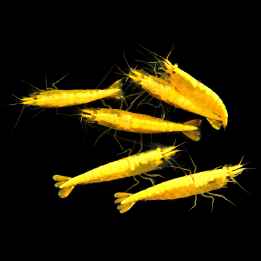
Yellow Fire Shrimp Grade A – Neocaridina davidi – 1.5 to 2 cm
€4.99
Rated out of 5 stars based on
review(s)
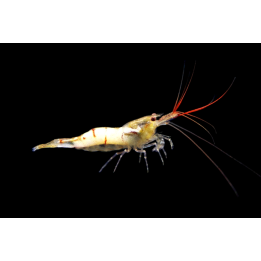
Snow Zebra Shrimp – Caridina sp. – Sulawesi Shrimp – 1.5 cm – Rare!
€7.95
Rated out of 5 stars based on
review(s)
Comments (0)
Your review appreciation cannot be sent
Report comment
Report sent
Your report cannot be sent