Characteristics
Scientific name: Cambarellus diminutus
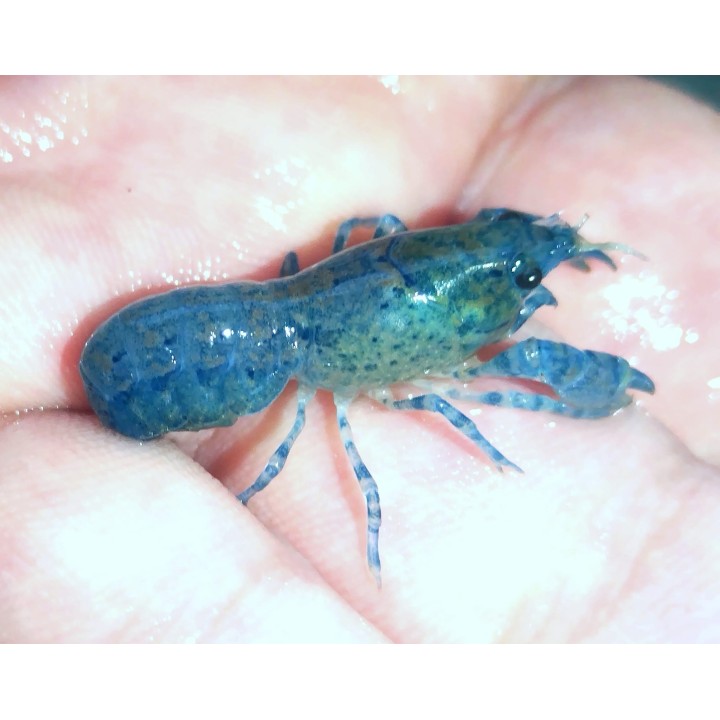
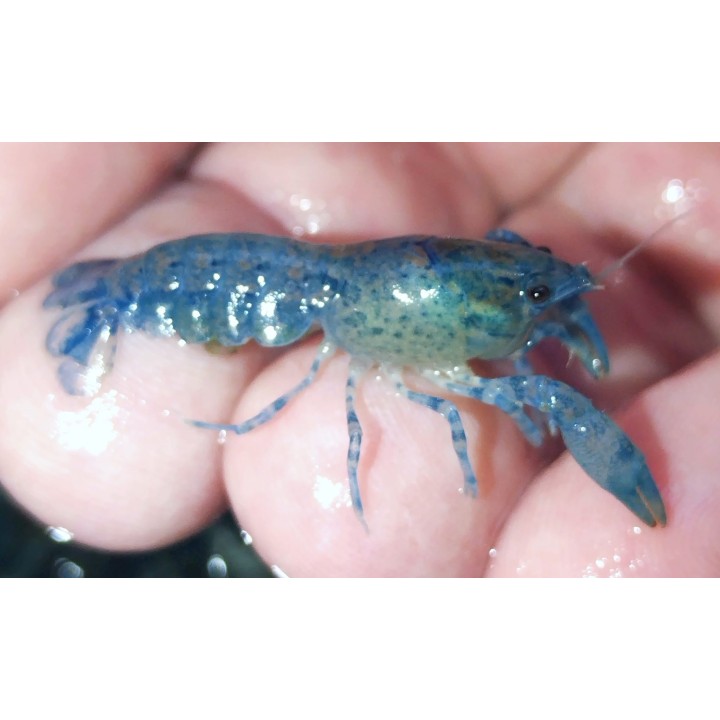
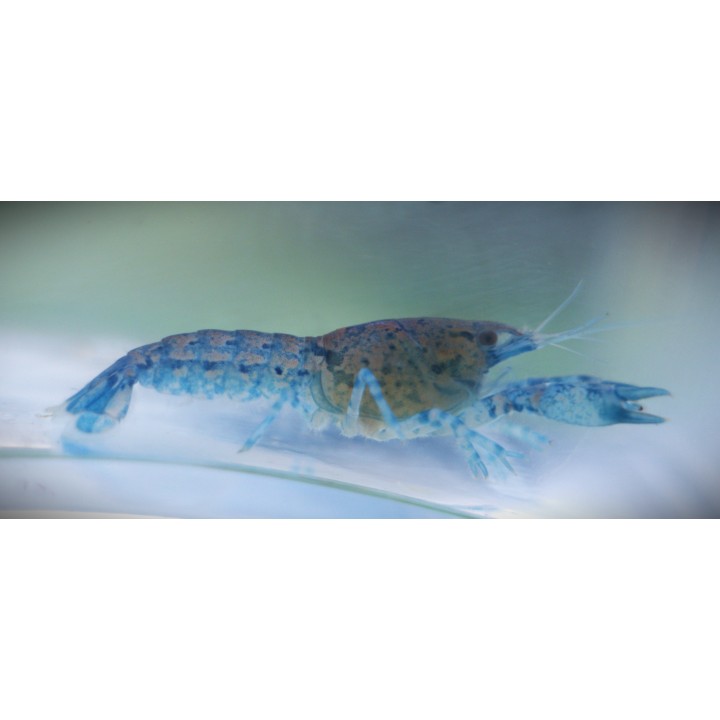
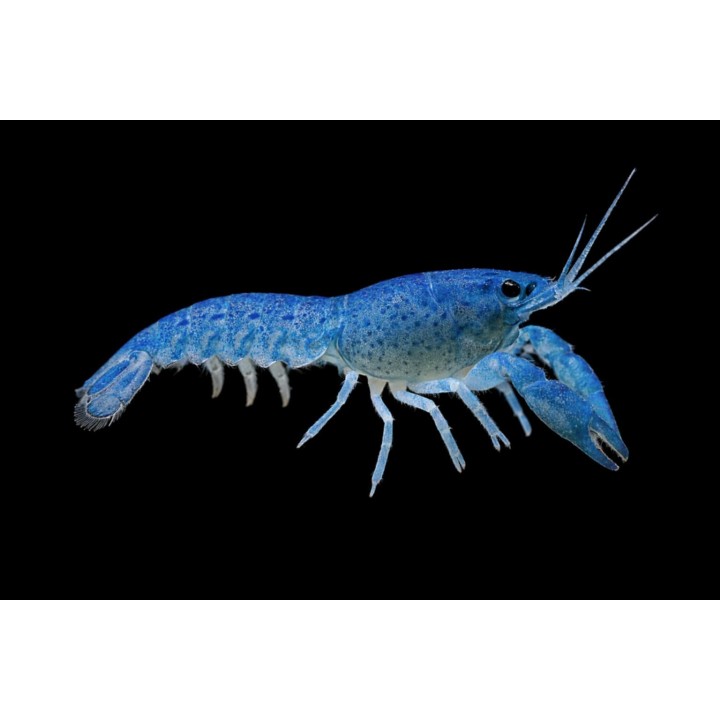
Common name: Blue Dwarf Crayfish
Size offered: approximately 2 to 2.5 cm
Adult size: approximately 3 to 4 cm
Species origin: United States, mainly Alabama and Mississippi
Temperature: approximately 18 to 26°C recommended
pH: approximately 6 to 8
Aquarium size: from approximately 20–30 litres depending on population and aquarium layout
Living area: bottom of the aquarium
Diet: omnivorous and detritivorous
Care: aquarium with plenty of hiding places
Breeding: possible in aquariums
Additional Information
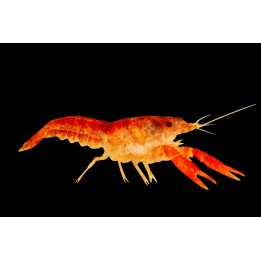
Blue Cambarellus diminutus: a Dwarf Crayfish for Freshwater Aquariums
The Blue Cambarellus diminutus is a freshwater dwarf crayfish particularly suitable for aquarists looking for a small and unusual crustacean. Its very small adult size immediately distinguishes it from larger crayfish species and means it can be considered for relatively modest-sized aquariums, provided that the environment is properly arranged.
The species Cambarellus diminutus originates from the southern United States, particularly Alabama and Mississippi. In its natural habitat, it can be found in areas with slow-moving or stagnant water, often rich in vegetation and organic matter.
The variety offered by NeoTropic is particularly notable for its selected blue tones, which make this small crayfish especially attractive in a planted aquarium. Colouration can nevertheless vary between individuals and may change depending on several factors. Blue should not be considered the typical wild colouration of the species.
Aquarium for Cambarellus diminutus
Despite its small size, a dwarf crayfish requires a well-structured aquarium. It is preferable to provide numerous hiding places using roots, stones, leaves, mosses and aquatic plants.
These hiding places become particularly important during moulting. Like other crustaceans, Cambarellus becomes much more vulnerable after shedding its old exoskeleton. It must be able to retreat to a quiet and secure location while its new exoskeleton hardens.
Plenty of vegetation is also beneficial. It helps structure the environment, provides areas to explore and increases the number of available hiding places.
When keeping a small group, the number of hiding places should also be adapted to the number of crayfish. Sufficient floor space is more useful than a tall aquarium with very little structure.
Water Parameters and Care
Cambarellus diminutus is described in the aquarium hobby as tolerating a relatively broad range of water conditions. For aquarium care, stable water at approximately 18 to 26°C with a pH of around 6 to 8 is suitable, rather than constantly trying to achieve extreme parameter values.
As with all freshwater aquarium invertebrates, water stability and quality are essential. Nitrite levels should remain undetectable and the aquarium must be properly cycled before the crayfish are introduced.
It is also important to keep the aquarium securely covered. Crayfish are capable of using certain decorations or aquarium equipment to reach the upper areas of the tank.
What Does Cambarellus diminutus Eat?
The Cambarellus diminutus is omnivorous and feeds on a variety of food sources. In its environment, micro-organisms and organic matter form part of its diet. In the aquarium, it readily accepts prepared foods such as pellets and tablets formulated for crustaceans and freshwater invertebrates.
A varied diet is preferable. Leaves in the aquarium can also be beneficial, as they provide both hiding places and biological surfaces on which these small crayfish can search for food.
However, the crayfish should not be considered a “cleaner” capable of surviving solely on aquarium waste. Suitable food should be provided regularly.
Behaviour and Compatibility
The small size of Cambarellus diminutus can make it easier to keep than many larger crayfish species, but compatibility with other aquarium inhabitants should still be carefully considered.
Interactions between individuals can occur, particularly when there are not enough hiding places. Overcrowding should therefore be avoided and plenty of separate territories and shelters should be provided.
Keeping them with aggressive or territorial fish, or fish large enough to eat the crayfish, is not recommended. Newly moulted individuals and juveniles are particularly vulnerable.
Even with small peaceful fish or other invertebrates, compatibility can never be guaranteed completely. Individual behaviour and the aquarium layout both play an important role.
Breeding Dwarf Crayfish
Cambarellus diminutus can breed successfully in aquariums. After mating, the female carries her eggs beneath the abdomen until the young develop.
The juveniles are extremely small and require numerous hiding places. Mosses, leaves and fine structures are particularly useful at this stage. The filter intake should also be protected to prevent young crayfish from being drawn into the filter.
Cannibalism between juveniles can occur when food and hiding places are insufficient. An aquarium specifically arranged for breeding therefore generally provides better control and increases the number of suitable refuges.
An Unusual Small Blue Crayfish for the Aquarium
With its small size, interesting behaviour and selectively bred colouration, the Blue Cambarellus diminutus provides an unusual alternative to freshwater shrimp and larger crayfish species.
It is particularly attractive in a natural-style aquarium containing plants, mosses, roots, leaves and numerous hiding places. Watching these small crayfish explore the aquarium, search for food and interact with their surroundings forms a large part of the appeal of this species.
Before purchasing, it is essential to provide a properly cycled aquarium suited to the needs of the species and to check compatibility with any animals already present.
As with all aquatic animals kept in captivity, Cambarellus diminutus must never be released into the natural environment.





Comments (2)
Your review appreciation cannot be sent
Report comment
Report sent
Your report cannot be sent