Characteristics
Scientific name: Cambarellus patzcuarensis
Variety: Orange (CPO)
Common names: CPO Crayfish / Mexican Dwarf Crayfish
Adult size: approximately 4 cm
Species origin: Mexico, Lake Pátzcuaro region
Recommended temperature: approximately 18 to 25°C
pH: approximately 7 to 8
Recommended aquarium size: from approximately 30 litres for a small, properly arranged setup
Living area: bottom of the aquarium
Diet: omnivorous / detritivorous
Difficulty: relatively easy
Breeding: possible in freshwater
Special feature: selectively bred orange colouration
Additional Information
CPO Crayfish: an Orange Dwarf Crayfish for Freshwater Aquariums
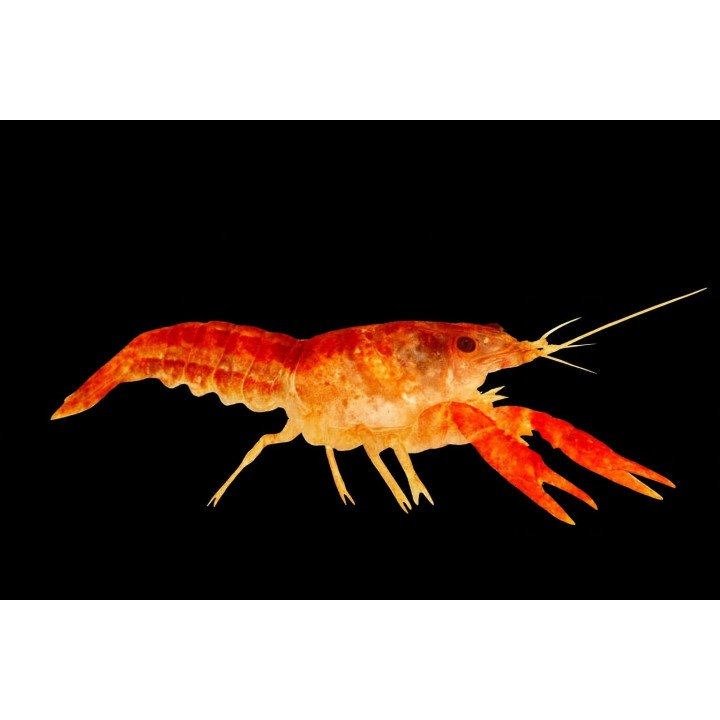
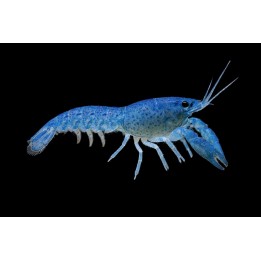
The CPO Crayfish, or Cambarellus patzcuarensis Orange, is certainly one of the best-known dwarf crayfish in the aquarium hobby. Its small size and, above all, its intense orange colouration make it a particularly attractive freshwater invertebrate.
The name CPO comes from Cambarellus patzcuarensis “Orange”. This colouration is a selectively bred aquarium form: the natural form of the species generally displays brownish tones.
The species Cambarellus patzcuarensis originates from Mexico, particularly Lake Pátzcuaro in the state of Michoacán. The wild species is currently considered Endangered (EN).
What Aquarium Is Suitable for a CPO Crayfish?
Despite its small size, the CPO requires a properly structured aquarium. Roots, stones, leaves, plants and small cavities help create territories and, importantly, provide plenty of hiding places.
Hiding places are particularly important during moulting. After shedding its old exoskeleton, the crayfish is temporarily much more vulnerable and naturally seeks a protected area while its new exoskeleton hardens.
If several CPO Crayfish are kept together, provide numerous shelters so that each individual can retreat when necessary.
A securely covered aquarium is also recommended. Like other crayfish, CPOs are excellent climbers and may use decorations, cables or pipes to reach the upper areas of the aquarium and potentially escape.
Water Parameters for CPO Crayfish
The Cambarellus patzcuarensis Orange appreciates neutral to slightly alkaline water with sufficient mineral content.
For aquarium care, a temperature of approximately 18 to 25°C and a pH of around 7 to 8 provide a reasonable range.
The species can tolerate a broader range of conditions, with some aquarium references reporting temperatures from approximately 15 to 30°C. For long-term aquarium care, however, stable conditions within the recommended range are preferable.
As with other freshwater invertebrates, water stability and quality are essential. The aquarium must be properly cycled before the crayfish are introduced.
Particular care should also be taken with products containing copper, as copper can be toxic to many freshwater invertebrates.
What Does a CPO Crayfish Eat?
The CPO is omnivorous and detritivorous. It spends part of its time exploring the substrate and aquarium decorations in search of food.
In the aquarium, provide a varied diet including pellets or tablets formulated for crayfish and other freshwater crustaceans.
Leaves and other organic matter found in a natural-style aquarium also provide useful surfaces on which micro-organisms can develop.
However, the CPO should not be considered simply as an “aquarium cleaner”. A suitable and regular diet remains essential.
CPO Crayfish and Fish: Compatibility
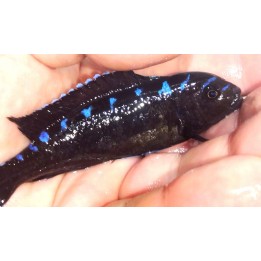
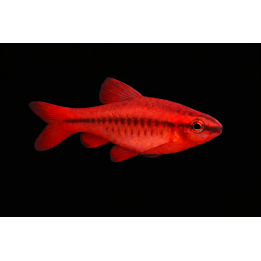
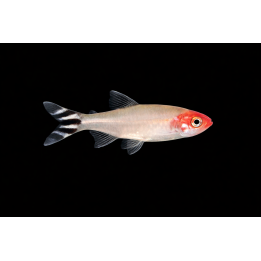
The small size of the CPO makes some combinations with fish easier than with larger crayfish species, but no combination should be considered completely risk-free.
Fish that are large enough or aggressive enough to attack the crayfish should be avoided, particularly during moulting when the crayfish is much more vulnerable.
Conversely, a crayfish is still equipped with claws. Caution is therefore recommended with slow-moving, weakened or bottom-dwelling fish.
A spacious, well-structured aquarium with plenty of hiding places helps reduce confrontations and allows each animal to establish its own territory.
Can CPO Crayfish Be Kept with Shrimp?
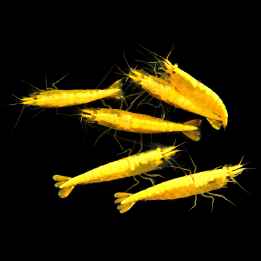
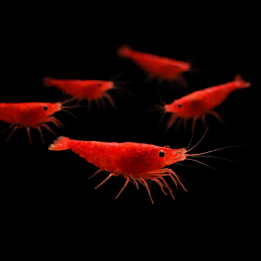
Keeping CPO Crayfish with freshwater shrimp is sometimes possible, but it does involve a risk.
Although Cambarellus patzcuarensis is a small crayfish, a shrimp or juvenile that comes within reach of its claws may potentially be captured.
If the main objective is to breed and establish a large shrimp colony, this combination should therefore not be considered completely safe.
Breeding CPO Crayfish in the Aquarium
Cambarellus patzcuarensis can reproduce in freshwater aquariums and is considered relatively easy to breed when suitable conditions are provided.
After mating, the female carries her eggs beneath the abdomen until the young develop.
After hatching, the young crayfish require numerous hiding places. Mosses, leaves and fine structures allow juveniles to retreat and avoid other inhabitants.
It is also advisable to protect the filter intake and provide sufficient food and hiding places to reduce losses and cannibalism among juvenile crayfish.
A Distinctive Orange Dwarf Crayfish
With its bright orange colouration, small size and active behaviour, the CPO is a particularly interesting animal for freshwater invertebrate enthusiasts.
It looks especially attractive in a natural-style aquarium containing plants, roots, rocks, leaves and numerous hiding places.
Before purchasing CPO Crayfish, always check that the aquarium parameters are suitable and consider compatibility with the animals already present.
Never release aquarium crayfish into the natural environment.





Comments (0)
Your review appreciation cannot be sent
Report comment
Report sent
Your report cannot be sent