



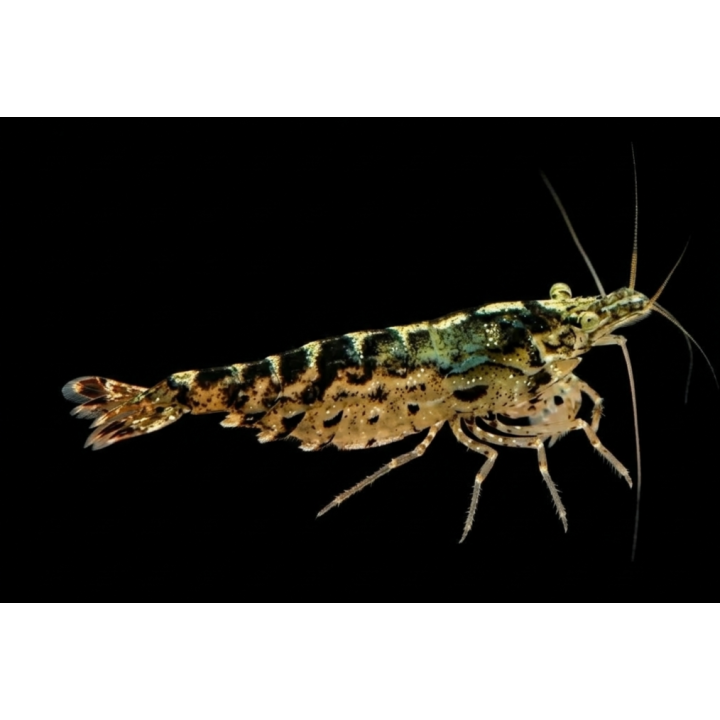
Tiger Shrimp – Neocaridina davidi – 1.5 cm images
Tiger Shrimp – Neocaridina davidi – 1.5 cm
Price:
€3.75
VAT included
The Tiger Shrimp (Neocaridina davidi) is a distinctive freshwater shrimp easily recognised by its characteristic dark stripes. Beneath these markings, its body can display different shades and colour reflections depending on the individual, giving each shrimp a unique appearance. Peaceful, active and relatively easy to keep, it is a particularly interesting variety for planted aquariums.
Neocaridina davidi Tiger: a Shrimp with Unique Markings
The Neocaridina davidi Tiger differs from uniformly coloured varieties thanks to its distinctive pattern of dark stripes or bands across the body.
Beneath these stripes, the background colour can display different shades and reflections depending on the individual. Some shrimp may show brown, orange, reddish, greenish, bluish or lighter tones.
This variability is part of the appeal of this selected variety. Unlike shrimp bred for perfectly uniform colouration, the Tiger Neocaridina displays a diversity of patterns and colour tones within the same population.
Each individual can therefore have slightly different markings, making a group particularly interesting to observe in the aquarium.
Characteristics of the Tiger Neocaridina
Scientific name: Neocaridina davidi
Variety: Tiger
Common name: Tiger Neocaridina / Tiger Shrimp
Colouration: variable, with dark stripes and different colour tones
Adult size: approximately 2.5 to 3 cm
Temperature: 18 to 28°C
pH: approximately 6.5 to 8
Diet: omnivorous and detritivorous
Behaviour: peaceful and social
Difficulty: easy
Breeding: possible entirely in freshwater
The Tiger Neocaridina benefits above all from a properly cycled aquarium with stable water parameters. Sudden changes in temperature or water conditions should be avoided.
Different Colouration and Markings on Every Shrimp
One of the distinctive characteristics of the Tiger Neocaridina is the diversity of its appearance.
The stripes are the main visual characteristic of this variety, but the underlying colouration can vary. Depending on the individual, the tones may be warmer, cooler, lighter or darker.
The intensity of the stripes can also vary. Some individuals display strongly defined bands, while others have more subtle markings.
This natural variation means that the shrimp you receive will not necessarily all look identical, creating a group with a variety of appearances.
What Aquarium Is Suitable for Tiger Neocaridina?
A mature planted aquarium provides a particularly suitable environment for Tiger Neocaridina Shrimp.
Mosses, roots, stones, leaves and aquatic plants provide numerous surfaces on which biofilm and micro-organisms naturally develop.
These elements also provide plenty of hiding places, particularly useful during moulting and for juvenile shrimp.
A natural aquarium layout containing different shades and textures helps highlight the stripes and varying colour tones of each individual.
They can be kept in nano aquariums, but biological stability should always be prioritised over trying to keep them in the smallest possible volume.
Feeding Tiger Neocaridina
The Neocaridina davidi Tiger is omnivorous and detritivorous.
It spends much of its time exploring plants, substrate and aquarium decorations in search of biofilm, micro-organisms, certain microalgae and small amounts of organic matter.
In a mature aquarium, these natural resources form an important part of its diet.
Food specifically formulated for freshwater shrimp can supplement its diet and provide nutrients required for growth, moulting and reproduction.
Food should be provided in moderate quantities to prevent uneaten food from accumulating and reducing water quality.
An Active and Interesting Shrimp to Observe
The Tiger Shrimp spends much of the day exploring its environment.
It uses its small legs to continuously collect food particles from plants, roots, stones and the substrate.
This activity contributes to the consumption of biofilm and small amounts of organic debris present in the aquarium.
The differences in patterns and colour tones between individuals also make a colony particularly interesting to observe. Over time, individual shrimp may even become recognisable by their distinctive markings.
Breeding Neocaridina davidi Tiger Shrimp
The Tiger Neocaridina can reproduce entirely in freshwater when kept under suitable conditions.
After mating, the female carries her eggs beneath her abdomen until they hatch.
The young hatch directly as tiny shrimp and quickly begin searching for food on the various surfaces of the aquarium.
A mature aquarium rich in mosses, plants and biofilm provides juvenile shrimp with numerous food sources and essential hiding places during their first weeks.
A fine sponge fitted over the filter intake can also prevent the smallest shrimp from being drawn into the filter.
What Patterns Will the Young Shrimp Have?
Breeding a population of Tiger Neocaridina can produce young shrimp displaying different stripe intensities and different background colours.
The offspring will therefore not necessarily look identical to their parents.
Some may develop particularly pronounced tiger markings, while others may have more subtle stripes or different background colouration.
This diversity is one of the attractions of this variety for aquarists who enjoy shrimp with a less uniform appearance.
To reinforce particular characteristics over successive generations, individuals displaying the desired stripes and colours can be selected for breeding.
Differences Between Male and Female Tiger Shrimp
Female Tiger Neocaridina generally become larger and more robust than males.
Their abdomen is broader and more rounded to accommodate the eggs. Their pigmentation and markings may also become more pronounced as they mature.
Males generally have a slimmer body shape and remain slightly smaller.
Differences between the sexes become much easier to identify once the shrimp reach maturity.
Keeping Tiger Shrimp with Fish
The Tiger Neocaridina is a peaceful shrimp and poses no danger to fish.
However, many fish may consider shrimp to be prey. Juveniles are particularly vulnerable because of their very small size.
For establishing a large colony, a dedicated shrimp aquarium remains the safest option.
In a community aquarium, dense vegetation, mosses, roots and numerous hiding places can help reduce the risk of predation.
Can Tiger Neocaridina Be Mixed with Other Colours?
Different varieties of Neocaridina davidi can reproduce with one another.
Tiger Neocaridina can therefore cross with Red Cherry, Blue Velvet, Yellow, Orange Rili, Green Jade, Black, Chocolate or other selected varieties of the same species.
Crossbreeding can gradually alter the colours and patterns of subsequent generations.
If the aim is to preserve and develop the tiger markings, it is preferable to keep this variety separately from other Neocaridina varieties.
However, aquarists deliberately looking for a population with highly variable colours and patterns may enjoy the appearance of new combinations over successive generations.
Buy Neocaridina davidi Tiger Shrimp Online
With their distinctive stripes and varying colour tones, Neocaridina davidi Tiger Shrimp provide an unusual alternative to varieties with uniform colouration.
Each individual can display a slightly different combination of stripes, shades and colour reflections, giving a colony a particularly natural and varied appearance.
Relatively easy to keep and able to reproduce entirely in freshwater, they are suitable both for Neocaridina enthusiasts and for aquarists simply looking for an unusual freshwater shrimp.
NeoTropic offers Neocaridina davidi Tiger Shrimp for sale online, selected for their distinctive markings and their appeal in freshwater aquariums.
Careful acclimatisation is recommended when introducing them to their new aquarium to minimise sudden differences between the transport water and the aquarium water.
Never release aquarium shrimp into the natural environment.
-
In stock1996 Items
4 other products in the same category
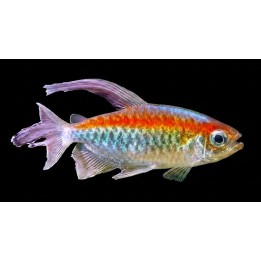
Tétra Bleu du Congo – Phenacogrammus interruptus 3.5-5cm
€6.95
Rated out of 5 stars based on
review(s)
Viewed products
Clients also bought
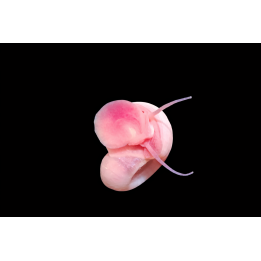
Red Ramshorn Snail – Freshwater Aquarium Snail – 1 to 2 cm
€2.50
Rated out of 5 stars based on
review(s)
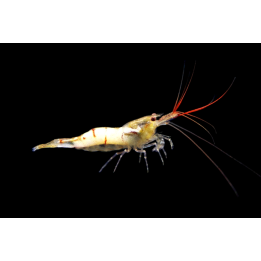
Snow Zebra Shrimp – Caridina sp. – Sulawesi Shrimp – 1.5 cm – Rare!
€7.95
Rated out of 5 stars based on
review(s)
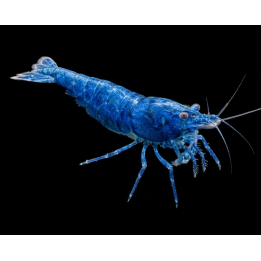
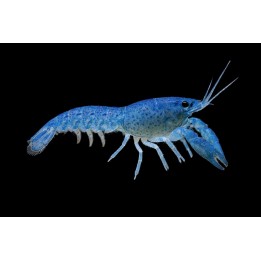
Blue Dwarf Crayfish – Cambarellus diminutus – Selected Blue – 2 to 2.5 cm
€7.50
Rated out of 5 stars based on
review(s)
Yellow Fire Shrimp Grade A – Neocaridina davidi – 1.5 to 2 cm
€4.99
Rated out of 5 stars based on
review(s)

Comments (0)
Your review appreciation cannot be sent
Report comment
Report sent
Your report cannot be sent